The Best Dance Style For Shy People According To Real Teachers
The lights dim. Music fills the room. A shy person stands near the back wall, hoping nobody notices their nervous toes tapping. Real dance teachers see this scene weekly. They know shy students need a style that builds comfort without pressure.
After interviewing seven instructors, certain dance styles keep coming out on top for quiet personalities. Curious about joining? Check local dancing classes in Dubai to start small.
Hip hop lets you hide behind attitude:
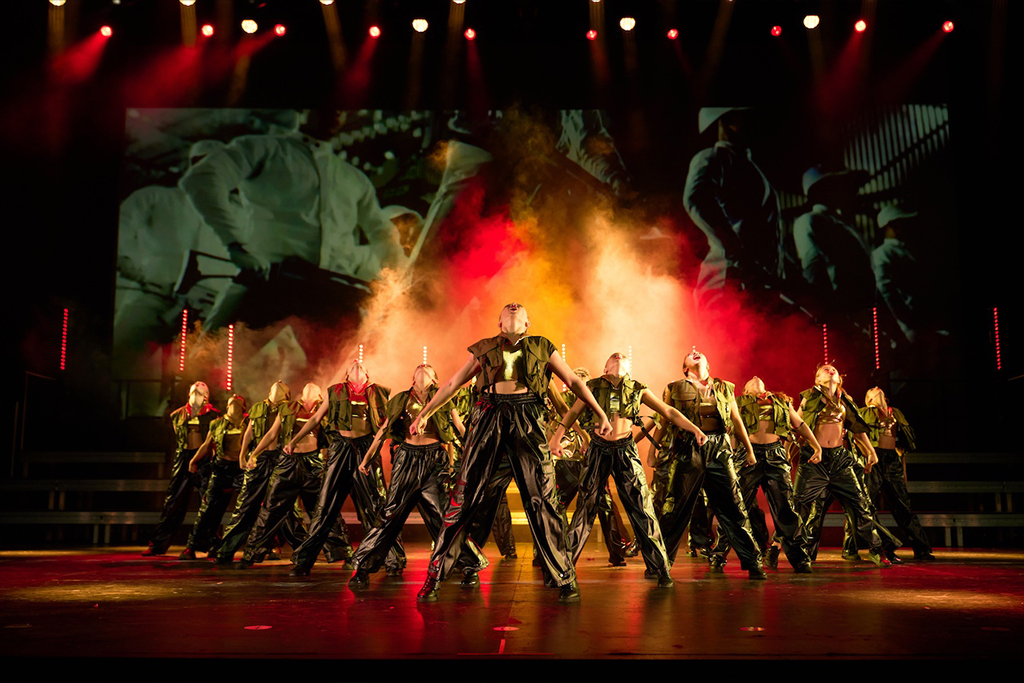
Teachers say hip hop works because sharp movements and strong beats shift attention away from your face. You can look serious, cool, or detached. One instructor noted shy students relax faster when they mimic confident poses instead of smiling or making eye contact.
Ballroom gives clear rules to follow:
Structured steps remove the fear of guessing. Waltz and foxtrot have fixed patterns. A teacher explained shy people love knowing exactly where feet go next. No random movements. No awkward pauses. Just repeat the sequence until muscle memory takes over.
Line dance removes partner pressure:
No touching strangers. No leading or following. Everyone faces forward. A veteran instructor shared how shy beginners’ blossom when they realize nobody watches them individually. The group moves as one. Mistakes get lost in the crowd.
Slow dancing builds tiny victories:
Basic two-step or swaying teaches body control without complex counts. Teachers recommend this for extreme shyness. You master one small move, then add another. Each small win lowers anxiety. After three sessions, students stop looking at the floor.
Contemporary uses isolation exercises:
Moving one arm or tilting your head feels less scary than full-body dancing. Several teachers start shy students with hand waves or shoulder rolls. These tiny movements build comfort zones gradually. No big jumps. No sudden spins. Just small, repeatable actions.
Jazz funk turns shyness into character:
Teachers assign playful roles like robot or sleepy cat. Shy people feel safer pretending to be something else. One instructor watched a silent student transform into a lively puppet within weeks. The character becomes the dancer. The dancer stays protected inside the act.
Real teachers agree: pick a style that lowers pressure first. Growth follows ease. Start small. Stay curious. The right class turns your quiet nature into quiet confidence.